

Planning Your Midwest Commercial Roof Replacement: How to Choose the Right Materials
Replacing a commercial roof is one of the most significant investments a building owner can make. While many roofing projects begin because a system has reached the end of its service life, a successful replacement involves much more than simply removing old materials and installing new ones. The planning process plays a critical role in determining how well a new roof will perform, how long it will last, and how effectively it will support the building's long-term goals.
A successful Midwest commercial roof replacement requires careful evaluation of roofing materials, system components, building requirements, and performance expectations. Every commercial property has unique needs based on its size, occupancy, roof design, and operational demands. Choosing the right materials ensures that the new roof delivers durability, energy efficiency, and long-term value.
By taking a strategic approach to material selection, building owners and facility managers can avoid costly mistakes and create a roofing system designed to perform reliably for years to come.
Understanding the Goals of Your Roof Replacement
Before selecting roofing materials, it is important to define the objectives of the project. Some property owners prioritize maximizing service life, while others focus on energy efficiency, maintenance reduction, or budget management. Understanding these priorities helps guide decisions throughout the replacement process.
The building itself should also influence material selection. A manufacturing facility may have different roofing requirements than an office building, educational facility, healthcare property, or warehouse. Factors such as rooftop equipment, foot traffic, exposure conditions, and drainage design all impact how a roofing system performs over time.
Long-term planning should also be part of the conversation. While upfront costs are important, focusing solely on initial installation expenses can lead to higher lifecycle costs. Materials that provide better durability and require less maintenance often deliver greater value throughout the life of the roof.
A well-planned replacement project balances immediate budget considerations with long-term performance goals. This approach helps building owners make informed decisions that protect both their facilities and their financial investments.
Evaluating Roofing Membranes for Long-Term Performance
The roofing membrane serves as the primary weather barrier and is one of the most important components of any commercial roof system. Selecting a high-quality membrane can significantly impact durability, maintenance requirements, and overall system performance.
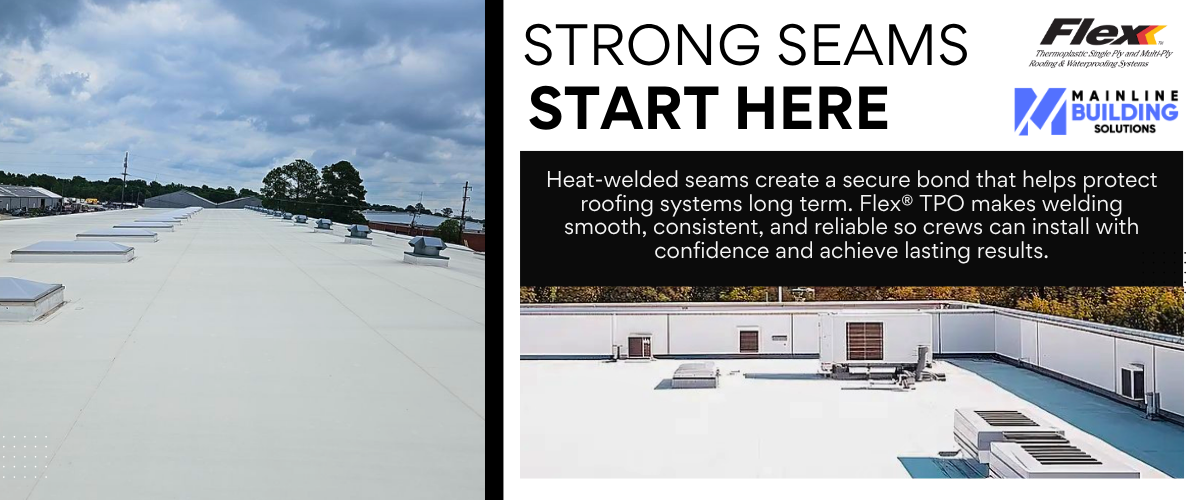
Flex™ Roofing Systems offers a range of commercial membrane solutions designed to support long-term reliability and performance. These systems provide excellent resistance to weather exposure, membrane movement, and everyday wear. Their versatility makes them suitable for a wide variety of commercial applications.
When evaluating membrane options, building owners should consider factors such as building use, environmental conditions, roof design, and maintenance expectations. A membrane that performs well under one set of conditions may not be the ideal solution for another facility.
Durability is especially important because membrane failure often leads to costly repairs and operational disruptions. Investing in a quality membrane system helps reduce the likelihood of premature deterioration and supports consistent performance throughout the life of the roof.
In addition to protecting the building from water intrusion, modern membrane systems can contribute to improved energy efficiency. Reflective roofing surfaces may help reduce heat absorption and support more stable indoor temperatures, creating potential energy savings over time.
The Role of Sealants and Adhesives in System Reliability
While roofing membranes receive much of the attention during replacement projects, supporting materials play an equally important role in overall system performance. Adhesives and sealants help create watertight connections throughout the roof assembly and reinforce critical areas where failures are most likely to occur.
Chem Link® provides high-performance adhesives and sealants designed to strengthen roofing systems and improve long-term reliability. These products are commonly used around penetrations, flashing details, seams, rooftop equipment, and transitions between different materials.
Many roofing issues originate at these transition points. Even a high-quality membrane can experience problems if supporting details are not properly sealed and reinforced. Selecting durable adhesive and sealant products helps minimize vulnerabilities and contributes to a stronger overall roofing system.
Another advantage of advanced sealant technologies is their ability to remain flexible while maintaining adhesion. Commercial roofs naturally expand and contract due to temperature changes, building movement, and environmental conditions. Flexible sealants accommodate this movement while continuing to provide effective protection.
When incorporated into a comprehensive roofing strategy, quality adhesives and sealants help support long-term system performance and reduce future maintenance demands.
Improving Installation Efficiency and Performance
The success of a commercial roof replacement depends not only on the materials selected but also on how those materials are installed. Adhesive systems play a critical role in securing roofing components and creating a durable, long-lasting assembly. Choosing the right application methods can improve installation efficiency while supporting overall roof performance.
QDEK® provides canister-based adhesive solutions designed to simplify installation and promote consistent coverage across commercial roofing projects. These systems help contractors apply adhesives efficiently while maintaining strong bonding performance throughout the roof assembly.
A reliable adhesive application system contributes to more than just installation speed. Consistent adhesive coverage helps improve attachment strength, supports membrane performance, and reduces the risk of issues that can develop from uneven application. This is particularly important in large commercial projects where consistency across the entire roof surface is essential.
Building owners may not always see the adhesive systems used beneath the finished roof, but these components play an important role in overall system reliability. By incorporating high-quality adhesive solutions such as QDEK into a roof replacement strategy, project teams can help ensure that roofing materials perform as intended and contribute to long-term durability.
When evaluating roofing materials and system components, it is important to consider how every layer works together. QDEK adhesive systems help support that goal by providing dependable attachment solutions that contribute to the strength and performance of the complete roofing assembly.
Why Metal Components Matter
Metal components are often overlooked during roof replacement planning, yet they play a vital role in protecting the most vulnerable areas of a roofing system. Edge metal, flashing, coping systems, and custom-fabricated components all contribute to the roof's ability to manage water and withstand environmental stresses.
Instinctive Metals© specializes in manufacturing high-quality metal roofing components designed to improve both performance and durability. These products help strengthen roof perimeters, flashing details, and transition areas that frequently experience the greatest exposure to wind and moisture.
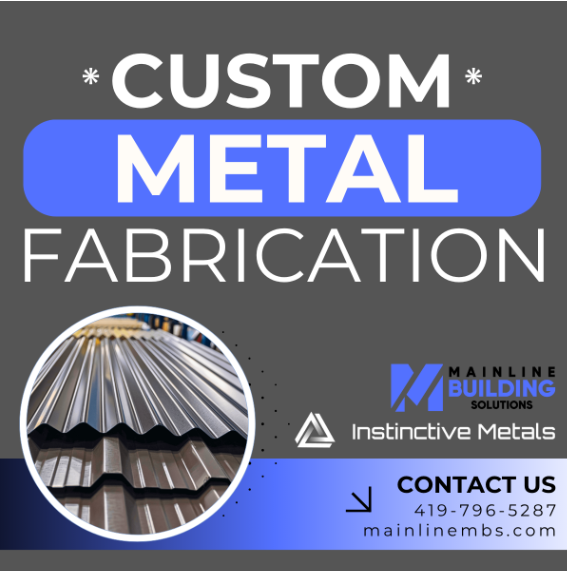
One significant advantage of working with custom-fabricated metal components is the ability to address project-specific requirements. Every commercial building presents unique design challenges, and standardized materials may not always provide the ideal solution.
Custom metal fabrication allows roofing professionals to create components tailored to specific roof conditions. This results in better fitment, improved weather resistance, and enhanced overall performance. Properly fabricated metal components can also improve installation efficiency and create cleaner architectural details.
When evaluating roofing materials, building owners should consider metal components as an essential part of the overall system rather than an afterthought. Strong perimeter protection and properly designed flashing details can significantly improve long-term roof performance.
Supporting the Entire Roof Assembly With Underlayments
Many building owners focus on visible roofing materials while overlooking components that exist beneath the surface. Underlayments play an important role in supporting the entire roof assembly and providing an additional layer of protection.
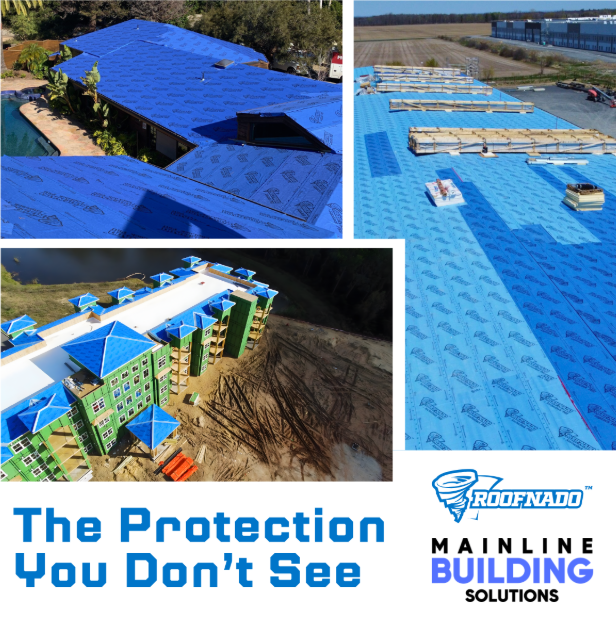
RoofNado™ underlayments help manage moisture, support system integrity, and enhance overall roof performance. These products serve as a secondary barrier beneath primary roofing materials and contribute to long-term durability.
While underlayments are often hidden from view once installation is complete, their impact can be significant. They help protect vulnerable areas during installation, support moisture management, and provide added protection against water intrusion.
In many cases, the performance of a roofing system depends not only on the membrane but also on the supporting materials beneath it. A properly designed roof assembly incorporates multiple layers working together to achieve long-term protection.
Including quality underlayments in the planning process helps ensure that the entire system is designed for reliability rather than focusing solely on surface materials.
Midwest Commercial Roof Replacement: Choosing Materials That Work Together
One of the most common mistakes in commercial roofing is evaluating products independently rather than as components of a complete system. Successful roofing projects are built on compatibility and coordination between materials.
Membranes, adhesives, sealants, metal components, and underlayments all perform specific functions. However, their greatest value comes when they work together as an integrated assembly. A high-quality membrane benefits from durable sealants. Strong flashing systems rely on properly designed metal components. Underlayments provide additional protection that supports the entire structure.
When planning a roof replacement, building owners should focus on how products interact rather than simply comparing individual features. This system-based approach helps maximize performance and minimize future maintenance concerns.
Collaboration between roofing professionals, manufacturers, and building owners is also important. By evaluating all components collectively, project teams can develop solutions that address both current needs and long-term performance goals.
The result is a roofing system that delivers greater reliability, stronger protection, and improved lifecycle value.
Planning Beyond Installation
The roof replacement process should not end once installation is complete. Long-term success depends on ongoing inspections, maintenance planning, and performance monitoring.
Regular assessments help identify developing issues before they become major problems. Small repairs, preventative maintenance, and periodic evaluations can significantly extend the service life of a roofing system. Property owners can consult the officialNRCA Roofing Guidelines hub to review structural design requirements, verify building code standards, and utilize energy performance calculators that help map out long-term facility goals.
Building owners should also maintain detailed records of inspections, repairs, warranties, and system specifications. This information supports future decision-making and helps ensure that maintenance efforts remain proactive rather than reactive.
A replacement project represents a significant investment. Protecting that investment requires a commitment to long-term roof management and continuous improvement.
Your Next Step to Lasting Commercial Roof Performance
Choosing the right materials is one of the most important decisions in any commercial roofing project. From membranes and sealants to metal components and underlayments, every product contributes to the performance, durability, and value of the completed system.
Mainline Building Solutions helps building owners and facility managers navigate these decisions with confidence. By providing access to trusted products and expert guidance, our team helps develop roofing solutions tailored to each facility's unique needs and long-term goals.
If you are planning a Midwest commercial roof replacement, Mainline Building Solutions can help you evaluate materials, understand system options, and create a strategy that delivers lasting performance. Contact our team today to learn how the right products and planning approach can help protect your investment for years to come.