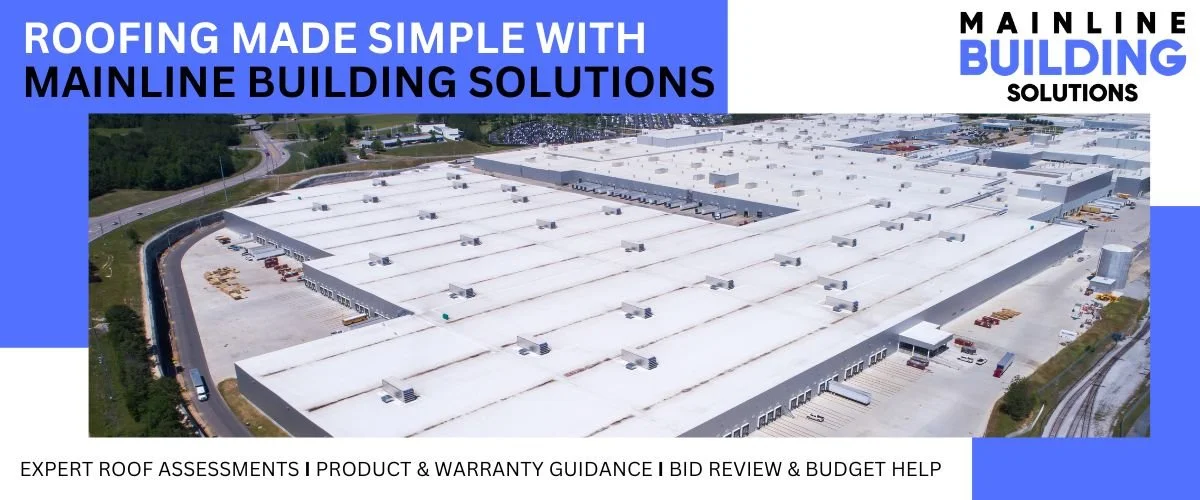

From Assessment to Improvement: Spring Roofing Strategies
Spring is one of the most important times of year for evaluating commercial roofing systems and making informed decisions that improve long-term performance. Instead of treating roof care as a cycle of isolated repairs, facility managers are shifting toward a more strategic approach that connects assessment findings directly to meaningful improvements.
A commercial roof is a system, not a single surface. Membranes, seams, flashings, insulation, adhesives, metal components, and drainage all work together to protect the building. When assessments identify areas of concern, those findings should not be viewed as standalone issues. They should be used as a roadmap for commercial roof improvements that strengthen the entire system.
A well-executed assessment provides clarity into current conditions, but the real value comes from what happens next. Turning those findings into action is what separates reactive maintenance from strategic asset management. Whether addressing minor vulnerabilities or planning system upgrades, the goal is to improve performance, extend service life, and reduce long-term costs.
What often gets overlooked is how much insight an assessment can provide beyond visible issues. Subtle signs such as minor membrane movement, early-stage seam fatigue, or inconsistent drainage patterns can reveal larger system trends. These details help building owners understand not just what is happening now, but what is likely to happen next if no action is taken. This predictive value is what makes assessments such a critical part of any roofing strategy.
Turning Assessment Findings Into Strategic Improvements
Once a roof assessment is complete, the next step is prioritization. Not every issue requires major intervention, but every finding should inform a broader improvement strategy.
Common opportunities for improvement include:
Strengthening seam integrity in high-stress areas
Improving drainage performance to reduce standing water
Reinforcing flashing and penetration points
Addressing early signs of membrane fatigue
Upgrading aging system components before failure occurs
Improving transitions between dissimilar materials
Each of these items may seem minor in isolation, but together they determine how well a roofing system performs under long-term stress. The goal is not just to repair what is visible, but to improve how the entire system functions as a whole.
When handled strategically, these improvements prevent small issues from developing into larger system failures. This approach also allows facility managers to plan work in phases, aligning roofing improvements with budgets, operations, and long-term capital planning. Instead of reacting to emergencies, decisions become intentional and data-driven.
Another benefit of this approach is reduced disruption to building operations. Planned improvements allow work to be scheduled during optimal conditions, minimizing downtime and avoiding emergency interventions that often come with higher costs and tighter timelines.
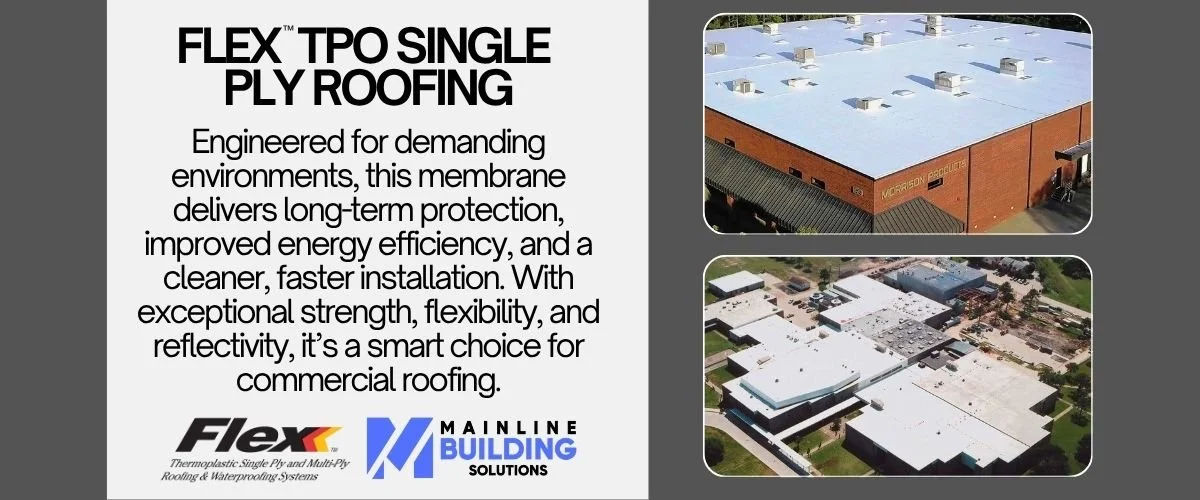
Flex™ Roofing Systems: Strengthening Core Membrane Performance
Flex Roofing Systems provide a strong foundation for long-term commercial roof improvements by offering durable single-ply membrane solutions designed for performance and longevity. These systems are commonly used in both new construction and retrofit applications where durability is a priority.
Flex membranes improve overall system stability by resisting punctures, weather exposure, and movement stress. They are particularly effective in environments where rooftop equipment, foot traffic, or thermal cycling place additional strain on the roof surface.
When assessments reveal membrane wear, seam fatigue, or aging conditions, upgrading to a Flex system can significantly improve roof performance while reducing future maintenance demands. These systems also help improve energy efficiency by supporting reflective and thermally stable roofing assemblies.
By incorporating Flex Roofing Systems into a broader improvement strategy, building owners can enhance durability, extend roof lifespan, and create a more resilient roofing system that performs consistently over time.
Chem Link® Sealants: Protecting Critical Transition Areas
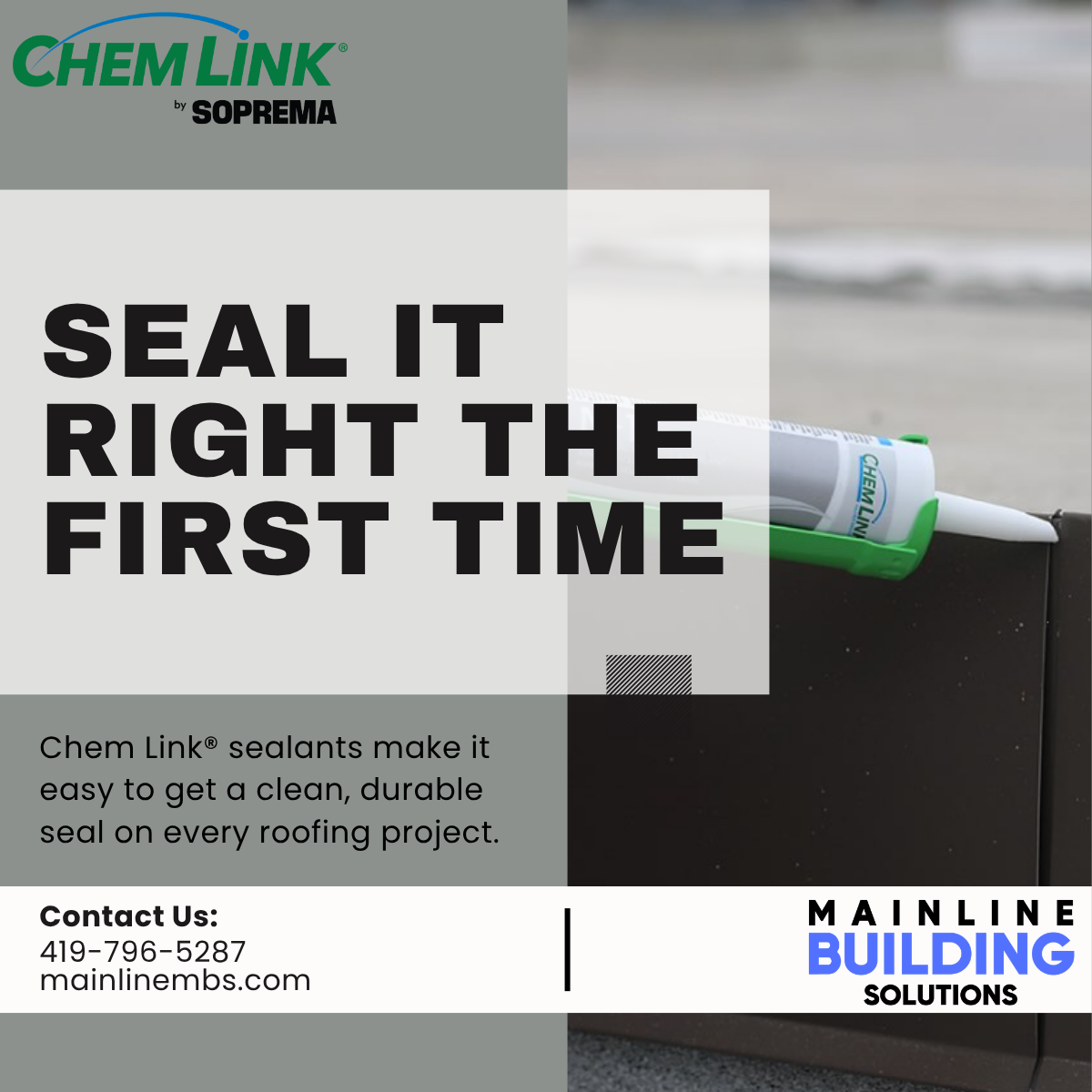
Chem Link adhesives and sealants play a key role in strengthening vulnerable areas identified during assessments. Roof systems often experience stress at seams, penetrations, and transitions, making these locations critical points for long-term performance.
Chem Link products are designed to maintain flexibility while delivering strong, lasting adhesion. This flexibility is especially important in environments where temperature fluctuations and structural movement are constant factors.
When used as part of a targeted improvement plan, Chem Link sealants help prevent small vulnerabilities from becoming larger performance issues. They restore integrity to key areas and support long-term waterproofing performance. They are especially valuable in maintaining watertight conditions around rooftop equipment, curbs, and flashing transitions where failure risk is highest.
Instinctive Metals©: Enhancing Edge, Flashing, and Architectural Protection
Instinctive Metals provide durable metal solutions that support long-term roofing performance, particularly in edge metal systems, flashing details, and architectural transitions. These components play a critical role in protecting the most exposed areas of a commercial roof system.
Metal components are often the first line of defense against wind uplift, water intrusion, and long-term environmental wear. Over time, these areas can become weak points if not properly designed or maintained.
When assessments reveal issues around perimeter details or flashing failures, Instinctive Metals offer a reliable upgrade path that improves both durability and system integrity. Their ability to deliver custom metal fabrication solutions allows for precise, project-specific components that fit unique roof conditions. This ensures tighter seals, better alignment, and improved performance compared to standard, off-the-shelf materials.
These custom-fabricated elements provide clean, precise transitions that enhance both performance and aesthetics while reinforcing critical structural edges. Incorporating Instinctive Metals into a roofing improvement strategy ensures that the most vulnerable parts of the roof system receive the reinforcement they need to perform long-term.
RoofNado™ Underlayments: Strengthening the System Below the Surface
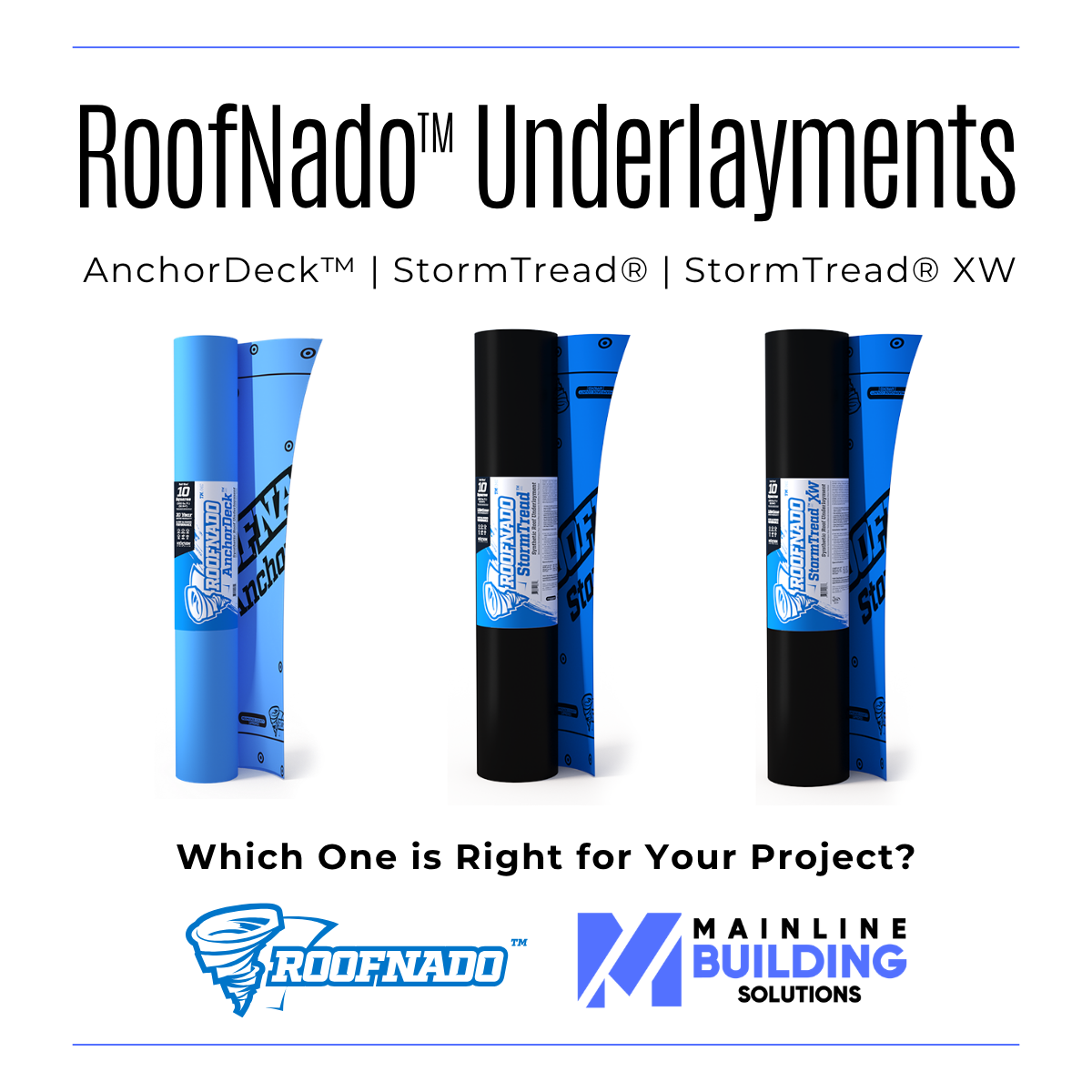
Roof underlayments play a critical but often overlooked role in overall roof performance. RoofNado underlayments provide an additional layer of protection beneath primary roofing materials, helping manage moisture, improve system stability, and support long-term durability.
Unlike surface-level components, underlayments function as a secondary defense layer within the roofing assembly. This means they play a crucial role in protecting insulation and structural components from hidden moisture intrusion.
When assessments reveal underlying concerns or when building owners are planning upgrades, underlayments can significantly improve overall system performance. They also help create a more balanced roofing system that distributes moisture and thermal stress more effectively.
By integrating RoofNado underlayments into a strategic improvement plan, facility managers add another layer of resilience to their roofing system without requiring full structural replacement. This makes them a cost-effective way to improve long-term system reliability.
Building a Long-Term Roofing Strategy
Effective commercial roof improvements are not achieved through isolated repairs. They require a coordinated strategy that connects assessments, material selection, and long-term planning.
A strong roofing strategy should include:
Regular assessments to track system condition over time
Prioritized improvement plans based on real performance data
Strategic use of compatible roofing systems and materials
Ongoing maintenance to preserve improvements and extend lifespan
Documentation to support budgeting and future planning decisions
This approach shifts roofing from a reactive expense into a managed asset that supports building performance and financial stability. Over time, it also allows facility managers to better predict lifecycle costs and avoid unexpected capital expenditures.
Turning Assessments Into Lasting Improvements
The value of a roof assessment is only realized when it leads to meaningful action. By translating findings into targeted improvements, building owners can strengthen system performance, reduce long-term costs, and extend the life of their roofing investment.
Mainline Building Solutions works with facility managers and building owners to turn assessment results into actionable strategies. With access to proven systems like Flex Roofing Systems, Chem Link sealants, RoofNado underlayments, and Instinctive Metals, we help deliver practical and effective commercial roof improvements tailored to each building’s needs.
If your facility is ready to move beyond reactive repairs and into long-term planning, Mainline Building Solutions can help build a strategy that improves performance, reduces risk, and protects your investment for years to come. Contact us today to learn more about how we can help protect your building.