

How Underlayments Help Prevent Moisture Intrusion Before the Roof Is Complete
During commercial roofing projects, the period before the final roofing system is installed can be one of the most vulnerable stages for a building. Exposure to rain, wind driven moisture, and changing weather conditions can create challenges for contractors working to protect the structure while construction moves forward. Choosing the best commercial roofing underlayment provides an added layer of protection that helps safeguard the roof assembly before the finished system is fully installed.
Mainline Building Solutions understands that commercial roofing projects require careful planning from the beginning stages through final completion. Every layer of a roofing system serves a purpose, and underlayments play an important role in protecting the building during installation. They help provide temporary protection, support jobsite efficiency, and reduce the risk of moisture related issues before the primary roof system is in place.
Underlayments are not a replacement for the final roofing membrane or system, but they serve as an important protective layer during construction and certain reroofing applications. By understanding how underlayments work and where they provide value, contractors and building owners can make more informed decisions about protecting their projects.
What Are Commercial Roofing Underlayments?
Commercial roofing underlayments are protective materials installed beneath the primary roofing system to help shield the structure from moisture exposure. Depending on the project requirements, an underlayment may be installed over the roof deck before insulation, membranes, or other roofing components are applied.
The primary purpose of an underlayment is to provide temporary protection during the construction process. Roofing projects are not always completed in a single day, and weather conditions can change quickly. An exposed roof deck can be vulnerable to moisture intrusion if there is not an appropriate protective layer in place.
Underlayments can help protect:
Roof decks during phased construction
Interior spaces from weather exposure
Roofing materials before final installation
Active job sites affected by unexpected weather conditions
A properly selected underlayment gives contractors more flexibility during installation by creating an additional defense against moisture while the roofing system is being completed.
Why Moisture Protection Matters Before Roof Completion
A completed commercial roof system is designed to manage water, but the building is more exposed during the installation process. Until the final membrane, flashing, and accessories are installed, temporary protection becomes an important part of maintaining project quality.
Moisture intrusion during construction can lead to several challenges, including:
Delays caused by water cleanup or material replacement
Damage to insulation or interior building materials
Additional labor costs
Scheduling disruptions caused by weather events
Construction schedules often involve multiple teams working together, which means roofing projects must be prepared for changing conditions. An underlayment provides an additional safeguard that helps maintain progress even when weather conditions are unpredictable.
The key is selecting materials that match the project environment and following proper installation procedures. Underlayments should be viewed as part of a larger moisture management strategy rather than a standalone solution.
How Underlayments Protect Commercial Roofing Systems
Underlayments support commercial roofing projects by creating a protective barrier between the roof deck and the elements during installation.
Some of the primary benefits include:
Temporary Weather Protection
One of the biggest advantages of an underlayment is protecting the roof assembly before the final system is installed. This is especially valuable on larger commercial projects where installation may happen in phases.
Supporting Construction Efficiency
Weather delays can affect timelines, labor availability, and project costs. A properly installed underlayment helps crews continue working while reducing concerns about short term exposure.
Protecting the Roof Deck
The roof deck provides the foundation for the entire roofing system. Keeping that surface protected helps ensure the remaining roofing components are installed over a stable, properly prepared substrate.
Improving Project Planning
Underlayments allow contractors to approach projects with additional flexibility. They provide a protective layer that supports the transition between initial installation stages and final roof completion.
How RoofNado Underlayment Helps Protect Commercial Roofing Projects
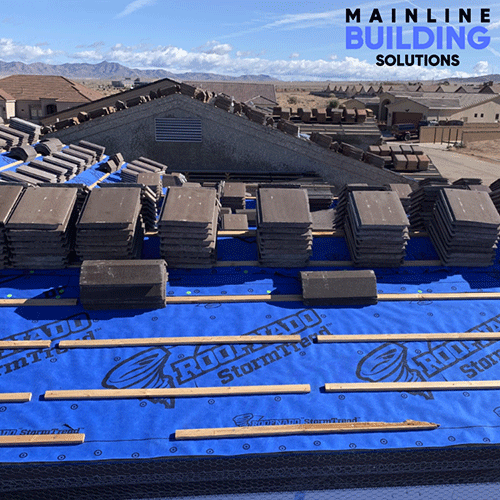
When selecting an underlayment system, contractors need a product designed to support real jobsite conditions. RoofNado™ provides a solution for protecting commercial roofing assemblies during construction by helping defend vulnerable areas from moisture exposure before the final roof system is complete.
The role of an underlayment goes beyond simply covering the roof deck. It helps create an additional layer of protection while contractors complete insulation, membranes, flashing, and other roofing components.
RoofNado can be considered for applications where temporary protection is needed during:
New commercial roof construction
Reroofing projects
Phased installation schedules
Projects where weather exposure is a concern
Mainline Building Solutions understands that every roofing component needs to work together. Selecting the right underlayment early in the process can help contractors maintain installation quality and protect the overall roofing assembly during critical construction stages.
How Underlayments Fit Into a Complete Roofing System
While underlayments provide important protection during construction, they are only one part of a complete commercial roofing assembly. The final roof system includes multiple components that work together to provide long term performance.
These components may include:
Roofing membranes
Insulation systems
Cover boards
Flashings
Sealants and adhesives
Drainage components
Each layer has a specific purpose. The underlayment helps provide protection before completion, while the primary roofing system provides long term weather resistance once installation is finished.
Understanding how each component contributes to overall performance allows contractors and building owners to make better decisions during the planning and specification process.
Building a Complete Roofing System With Flex Roofing Systems
Once the temporary protection phase is complete, the final roofing system becomes responsible for long term performance. Flex™ Roofing Systems provides commercial roofing solutions designed to support durable, high performance roof assemblies.
A complete roofing system requires more than selecting a single material. Compatibility between components, proper installation, and attention to detail all influence how a roof performs over time.
Flex Roofing Systems offers roofing solutions designed for commercial applications where durability, long term performance, and sustainability are priorities. A well designed roofing system can help extend service life, reduce the frequency of repairs or replacement, and support more efficient building performance over time. By pairing a properly selected underlayment with a quality roofing membrane system, contractors can create a more complete approach to moisture management.
The goal is not only protecting a building during construction but creating a roof assembly that continues performing long after the project is complete.

Common Areas Where Moisture Intrusion Begins During Construction
Even with temporary protection in place, certain areas of a commercial roof require additional attention. Roof penetrations, transitions, seams, and flashing areas are common locations where moisture can enter if they are not properly detailed.
These areas often require additional materials and careful installation because they involve changes in the roofing surface or multiple components working together.
Common vulnerable areas include:
Pipe penetrations
Roof edges
Equipment curbs
Wall transitions
Seams and connection points
Proper detailing during every stage of construction helps reduce the likelihood of future moisture problems.
Using Chem Link Adhesives and Sealants to Protect Critical Roof Details
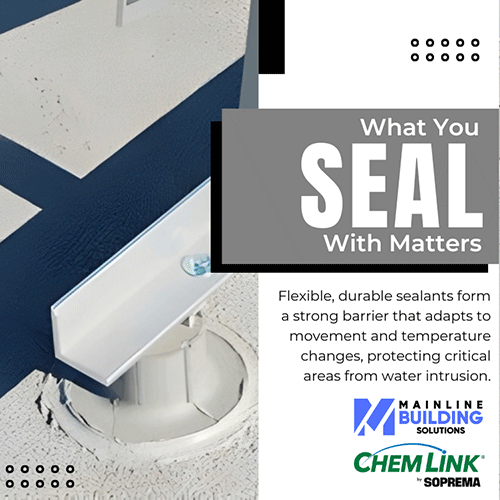
Roofing details often require additional protection because they are areas where different materials meet. Chem Link® adhesives and sealants are designed to support critical construction applications where reliable bonding and sealing are required.
During commercial roofing installation, adhesives and sealants can play an important role in protecting transitions, connections, and other areas where moisture resistance is essential.
Proper product compatibility and application are essential for creating durable roof details. When used around penetrations, transitions, and flashing assemblies, Chem Link adhesives and sealants help strengthen these vulnerable areas and support long term moisture protection as part of the overall roofing system.
Choosing the Right Materials Before Installation Begins
Commercial roofing performance starts before materials arrive at the jobsite. Early planning allows contractors, architects, and building owners to evaluate the conditions that may affect installation and long term performance.
Mainline Building Solutions helps customers evaluate roofing materials and system components based on project requirements, application needs, and compatibility between products.
Whether you are planning a new construction project, reroofing application, or phased installation, our team can help identify solutions that support your project goals.
Contact our team to learn more about the products and solutions we provide for commercial roofing applications.
Best Commercial Roofing Underlayment for Construction Conditions
Choosing the best commercial roofing underlayment depends on several factors, including project timeline, weather exposure, roofing system requirements, and installation conditions.
Before selecting an underlayment, contractors should consider:
Expected weather conditions during installation
Length of time the roof may remain exposed
Compatibility with the final roofing system
Manufacturer installation requirements
Specific project conditions
There is no single underlayment solution that works for every commercial project. The right choice depends on understanding how the product will perform within the complete roofing assembly.
Best Practices for Underlayment Installation
Proper installation is essential for underlayment performance. Even high quality materials require correct handling and application to provide the intended protection.
Recommended practices include:
Reviewing manufacturer installation guidelines before beginning work
Inspecting the roof deck before installation
Confirming weather conditions are appropriate
Maintaining proper overlaps and transitions
Protecting installed materials from unnecessary damage
Coordinating installation with the complete roofing schedule
Attention to detail during this stage helps prevent avoidable moisture related problems later in the project.
Conclusion

Commercial roofing projects involve many stages, and protecting the building before the final roof system is complete is an important part of successful installation. Underlayments provide temporary moisture protection that helps contractors manage weather exposure, protect roof assemblies, and maintain project progress.
Mainline Building Solutions believes selecting an underlayment requires understanding the entire roofing system, not just one individual component. When underlayments, roofing membranes, adhesives, and sealants are properly selected and installed together, they create a stronger foundation for long term roof performance.
FAQ
How long can a commercial roofing underlayment remain exposed?
Exposure times vary depending on the specific product and manufacturer requirements. Contractors should always follow installation guidelines to determine acceptable exposure limits.
Is underlayment required for commercial roofing projects?
Requirements vary depending on the roofing system, project specifications, and building conditions. Underlayments are often used when additional temporary moisture protection is needed during installation.
Can an underlayment prevent all moisture intrusion?
No roofing component can eliminate every potential moisture risk. Underlayments provide an additional layer of protection, but proper installation, detailing, and final roofing system performance remain essential.
What happens if a roof deck gets wet during construction?
Moisture exposure can create delays and may affect roofing materials if not properly addressed. Protecting the roof deck during construction helps reduce the risk of moisture related issues.
How do you choose the right underlayment?
The right underlayment depends on the roofing system, project timeline, environmental conditions, and manufacturer recommendations. Evaluating these factors before installation helps ensure the product meets project requirements.
Why are roof details important during installation?
Roof details such as penetrations, seams, and transitions are common areas where moisture can enter. Proper sealing and detailing help protect these vulnerable locations and support long term roof performance.