

Spring Roof Solutions: Preparing Midwest Commercial Buildings After Winter
Winter places significant stress on commercial roofing systems throughout the Midwest. Months of snow accumulation, freezing temperatures, and repeated freeze and thaw cycles quietly test the durability of roofing materials, drainage systems, and structural components. While some winter damage becomes obvious through leaks or visible wear, many issues remain hidden beneath membranes, flashing, and insulation layers. As temperatures begin to rise and snow and ice melt away, spring becomes one of the most important times of year for evaluating roof performance and implementing effective solutions.
Commercial property owners and facility managers across the Midwest face a unique set of environmental challenges. The region’s climate includes prolonged cold periods, sudden temperature fluctuations, and heavy precipitation. These conditions create ideal circumstances for moisture intrusion, membrane stress, and gradual material deterioration. Addressing these issues quickly is critical for preventing long term damage and avoiding costly emergency repairs.
Spring provides an opportunity to shift from reactive repairs to proactive solutions. By conducting thorough roof assessments, prioritizing maintenance, and selecting high performance materials, building owners can strengthen their roofing systems and prepare for the next cycle of seasonal weather. Implementing reliable commercial roof solutions in the Midwest allows property managers to extend roof lifespan, improve energy efficiency, and protect their buildings from ongoing environmental stress.
Understanding the Impact of Midwest Winters on Commercial Roofs
Commercial roofs in the Midwest experience some of the most demanding weather conditions in the country. Snow loads, ice accumulation, and fluctuating temperatures create constant expansion and contraction within roofing materials. Over time, this movement can weaken seams, create minor cracks, and place stress on flashing and penetrations.
Flat and low slope commercial roofs are particularly vulnerable because they rely heavily on proper drainage and membrane integrity. When snow begins to melt during warmer periods, water can pool in low areas or around rooftop equipment. If temperatures drop again overnight, that water refreezes, expanding and placing pressure on the surrounding roofing materials. Repeated freeze and thaw cycles can gradually widen seams and allow moisture to infiltrate beneath the membrane.
Moisture infiltration does not always present immediate signs of damage. Instead, it may slowly degrade insulation, reduce thermal performance, and weaken structural components. Over time, these hidden issues can lead to higher energy costs, indoor comfort problems, and significant repair expenses. Implementing reliable commercial roof solutions in the Midwest begins with understanding how seasonal weather impacts roof performance.
Why Spring Inspections Are Critical for Commercial Roof Performance
Once winter weather begins to fade, a comprehensive roof assessment becomes one of the most valuable tools for protecting commercial buildings. Professional inspections provide a detailed evaluation of several critical components that influence overall roof performance, including:
Membrane condition, identifying cracks, punctures, or areas weakened by winter weather
Drainage performance, ensuring water can move efficiently off the roof surface
Flashing integrity, particularly around roof edges and penetrations where leaks often begin
Overall roof system durability, including the condition of seams, insulation, and structural components
Spring inspections allow building owners to identify damage that may have occurred during the winter months. Even minor issues such as small punctures, loose seams, or weakened sealants can worsen over time if left unaddressed. By identifying these vulnerabilities early, property managers can implement targeted repairs and preventive measures that protect the roof from further deterioration.
A detailed assessment also helps guide strategic decision making. Property owners gain valuable insight into the current condition of their roofing system and receive recommendations for repairs, restoration, or product upgrades. This information allows facility managers to prioritize maintenance budgets and implement commercial roof solutions in the Midwest that deliver long term performance and reliability.
Documented inspections also serve as an important record for building maintenance programs. These reports can help building owners:
Track roof condition over time and identify patterns of wear or damage
Plan future repairs or restoration projects before major failures occur
Support warranty compliance by demonstrating consistent maintenance
Improve long term budgeting for roof maintenance and capital improvements
By combining detailed assessments with strategic planning, property managers can implement commercial roof solutions in the Midwest that strengthen roof performance and protect their building investments.
High Performance Roofing Systems for Long Term Protection
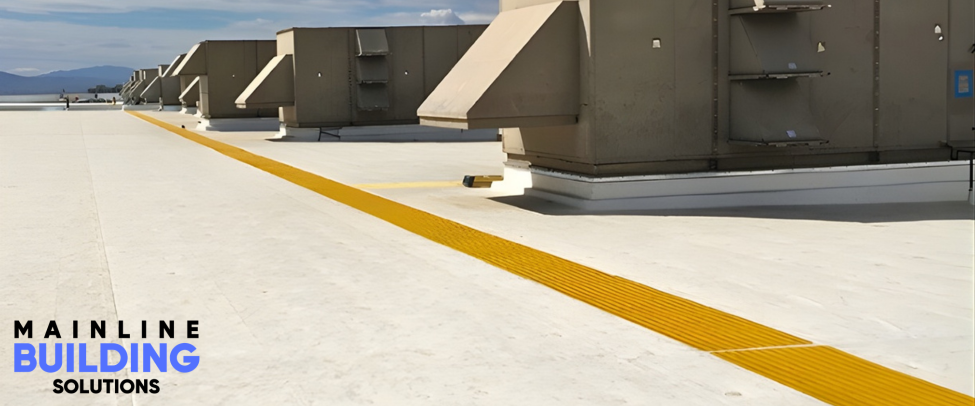
One of the most effective ways to strengthen a commercial roof after winter is through the use of high performance membrane systems designed to withstand demanding environmental conditions. Durable roofing systems provide the foundation for long term protection against moisture intrusion, temperature fluctuations, and weather related stress.
Flex™ Roofing Systems offer a range of advanced single ply membrane solutions designed specifically for commercial applications. These systems include TPO, PVC, EPDM, and hybrid membrane technologies that provide exceptional flexibility and durability. Their ability to accommodate thermal movement is particularly valuable in Midwest climates where roofing materials experience frequent expansion and contraction.
Flexible membrane systems help reduce the risk of seam failure and cracking caused by freeze and thaw cycles. They also provide strong resistance to ultraviolet exposure and environmental wear, ensuring consistent performance throughout changing seasons. For property owners seeking reliable commercial roof solutions in the Midwest, selecting a high quality membrane system is an essential step toward protecting their investment.
In addition to durability, modern membrane systems can contribute to improved energy efficiency. Reflective roofing surfaces help reduce heat absorption during warmer months, supporting more consistent indoor temperatures and lowering cooling costs. This combination of durability and energy performance makes advanced roofing systems a valuable long term solution for commercial buildings.
Preventing Leaks with Advanced Adhesives and Sealants
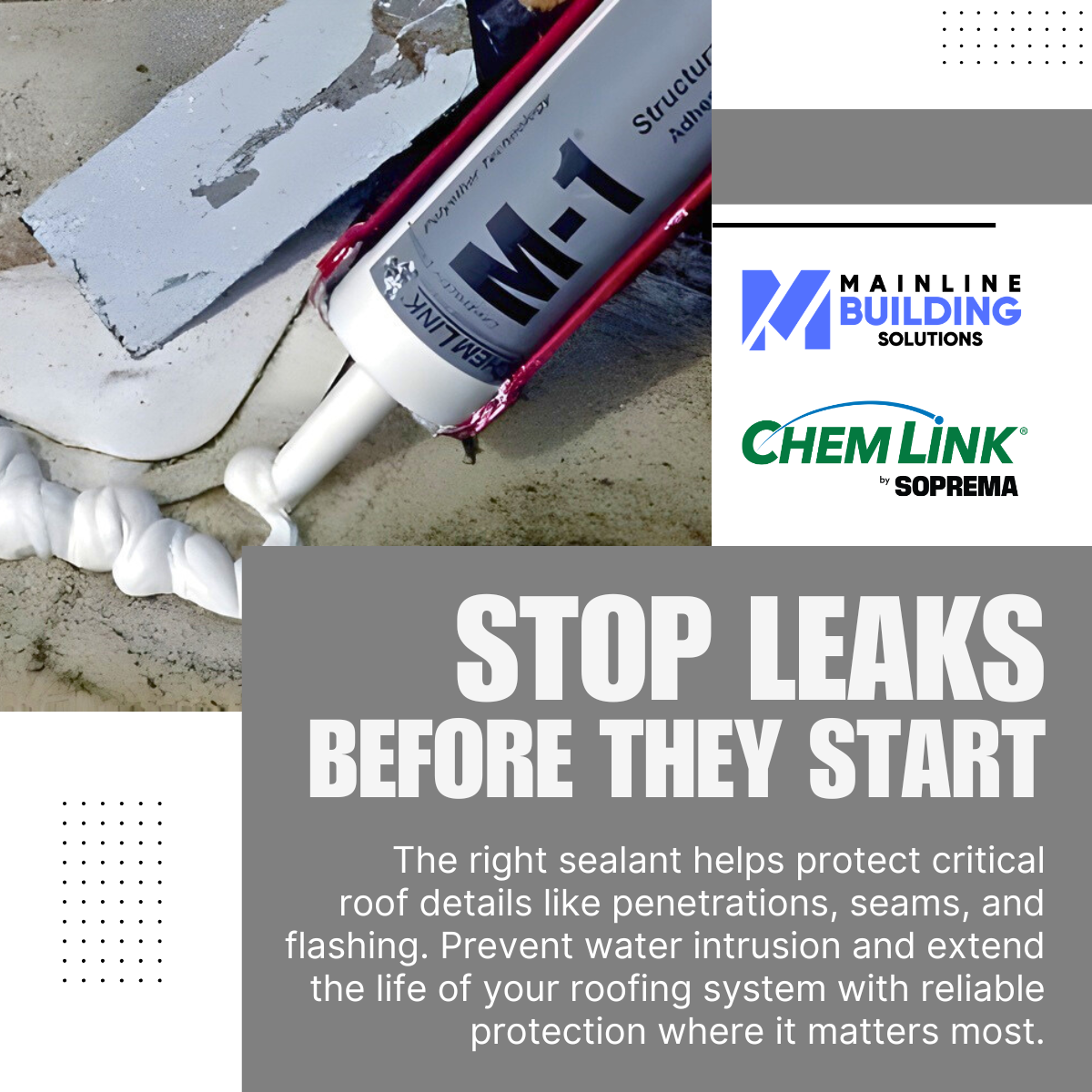
While roofing membranes form the primary protective layer of a commercial roof, adhesives and sealants play an equally important role in maintaining system integrity. Flashing details, penetrations, and seams must remain tightly sealed to prevent water infiltration and structural damage.
Chem Link® adhesives and sealants provide high performance solutions designed for demanding commercial roofing environments. These products are engineered to create strong, flexible bonds that resist weather exposure, temperature changes, and long term wear. Their ability to maintain elasticity allows them to move with roofing materials as they expand and contract throughout seasonal temperature changes.
Properly applied sealants help reinforce vulnerable areas around rooftop equipment, skylights, vents, and flashing components. These areas are often the first locations where leaks develop, especially after a winter season that has placed significant stress on roofing materials. Using durable sealants as part of a spring maintenance program helps prevent minor issues from developing into costly water damage.
Incorporating high quality sealants into routine maintenance strategies provides building owners with dependable commercial roof solutions in the Midwest. These materials support the overall performance of the roofing system while extending the lifespan of critical components.
Restoring Roof Performance with Silicone Coating Solutions
Not every commercial roof requires full replacement following years of weather exposure. In many cases, restoration strategies can extend the life of an existing roof while improving its ability to resist environmental stress. Roof coatings provide a practical solution for reinforcing aging membranes and restoring waterproof protection.
Lucas offers advanced silicone coating systems designed to protect commercial roofs from moisture intrusion, ultraviolet degradation, and long term weather exposure. Silicone coatings create a seamless protective barrier that helps prevent water penetration while improving overall roof durability.
One of the key advantages of silicone coatings is their ability to resist ponding water. Flat commercial roofs often experience areas where water collects after rain or snow melt. Silicone coatings maintain their protective properties even when exposed to standing water, making them a valuable solution for buildings with drainage challenges.
Restoration coatings also provide an economical alternative to complete roof replacement. By reinforcing the existing membrane and sealing vulnerable areas, these systems allow building owners to extend roof lifespan while reducing material waste and installation costs. For many facility managers, restoration coatings represent an effective commercial roof solution in the Midwest that balances performance and budget considerations.
Improving Installation Efficiency with Modern Adhesive Systems
Efficiency during installation and repair projects plays an important role in maintaining commercial roofing systems. Faster installation methods reduce labor costs, minimize disruptions to building operations, and help contractors complete projects more effectively.
QDEK® adhesive systems offer a modern alternative to traditional bucket and roller adhesive applications. These canister based systems deliver consistent adhesive coverage while reducing installation time and material waste. The controlled spray application allows roofing professionals to work more efficiently while maintaining strong and reliable bonding performance.
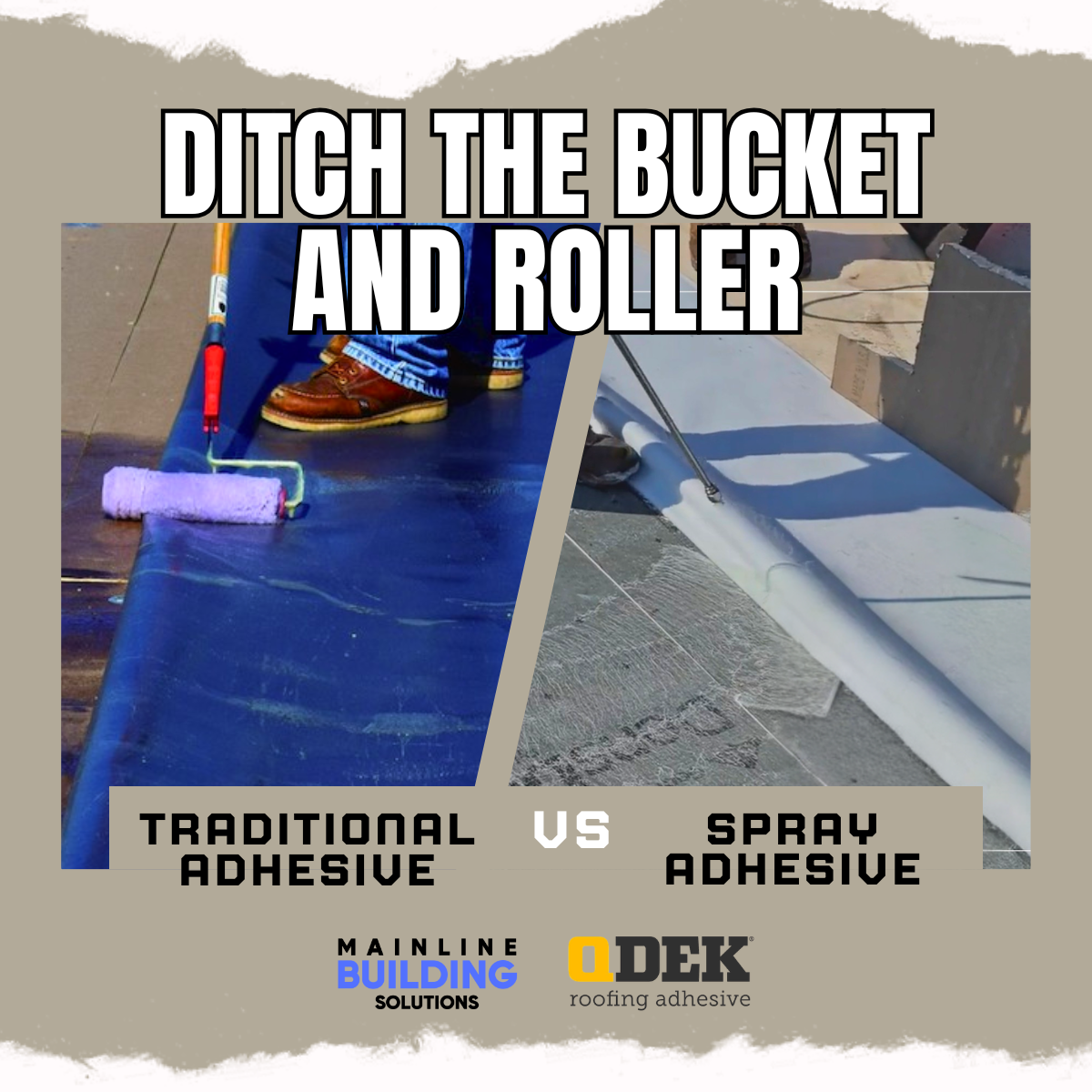
Improved installation efficiency benefits both contractors and building owners. Faster project completion reduces exposure to weather risks during installation and helps minimize disruptions to tenants and daily operations. In addition, consistent adhesive coverage supports long term roof performance by ensuring that membranes remain securely bonded to the substrate.
For property managers seeking dependable commercial roof solutions in the Midwest, selecting products that support efficient installation and long term durability contributes to a more reliable roofing system.
The Importance of a Strategic Maintenance Plan
Implementing reliable roofing materials is only part of a comprehensive roof protection strategy. Regular maintenance plays a crucial role in preserving the performance and lifespan of commercial roofing systems. Without consistent inspections and upkeep, even high quality materials can experience premature deterioration.
Spring maintenance programs should include a thorough evaluation of key roofing components. Important areas to review include:
Drainage systems such as drains, scuppers, and gutters to ensure proper water flow and prevent ponding
Flashing components around roof edges, penetrations, and transitions where leaks are most likely to develop
Membrane seams to confirm they remain sealed and structurally sound after months of temperature fluctuations
Rooftop penetrations such as HVAC units, vents, and skylights that require strong waterproof seals
Removing debris from drains and gutters is especially important during spring inspections. Leaves, dirt, and other materials can block water flow, allowing moisture to accumulate on the roof surface. Over time, ponding water can weaken roofing materials and increase the likelihood of leaks.
Facility managers should also evaluate sealants and adhesives to ensure they remain intact and flexible. Reapplying protective materials where needed helps reinforce vulnerable areas before seasonal weather changes introduce new stresses to the roof system.
A well structured maintenance strategy allows building owners to detect small problems before they escalate into major repairs. By combining routine inspections with high performance materials, property managers can implement commercial roof solutions in the Midwest that provide lasting protection and cost efficiency.
Protecting Your Commercial Roof Investment
Commercial roofs represent one of the most valuable structural components of any building. They protect tenants, equipment, and operations from environmental exposure while contributing to energy efficiency and building performance. Protecting this investment requires more than reactive repairs. It requires strategic planning, reliable materials, and expert guidance.
Mainline Building Solutions works closely with building owners, facility managers, and roofing professionals to identify the most effective roofing materials and strategies for each project. Through detailed roof assessments and product expertise, our team helps clients select high performance systems that address the unique weather challenges faced by Midwest commercial properties.
By incorporating proven materials such as Flex Roofing Systems membranes, Chem Link adhesives and sealants, Lucas restoration coatings, and QDEK adhesive systems, building owners can implement commercial roof solutions in the Midwest that strengthen their buildings and support long term performance.
As winter fades and spring conditions return, now is the ideal time to evaluate your commercial roofing system and address potential vulnerabilities. Scheduling a professional roof assessment allows property owners to identify hidden damage, prioritize repairs, and implement the right materials for lasting durability.
Contact Mainline Building Solutions today to learn how our expertise and trusted product solutions can help protect your commercial roof investment. With the right guidance, materials, and maintenance strategy, your roofing system can remain durable, efficient, and resilient through every season the Midwest brings.